

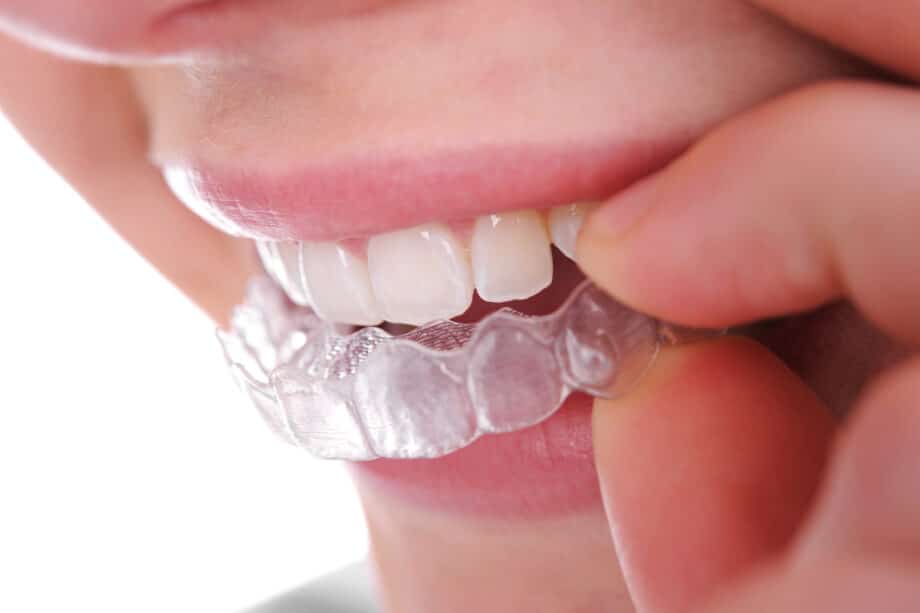
Starting your journey toward a straighter smile with Invisalign® is an exciting step. Clear aligners use a series of custom-made, clear plastic trays to shift your teeth into their best positions gradually. Many patients find the treatment more comfortable than traditional metal braces, but each new set of aligners brings an adjustment period. Feeling some mild discomfort shows your teeth are moving as they should.
We know minor soreness can make you feel uneasy. As you begin treatment, your teeth and gums need time to adjust to the gentle pressure from the aligners. This pressure causes tightness or tenderness, especially during the first few days with a new tray. The good news: you can manage this temporary discomfort. Over the years, we have guided many patients through their Invisalign journeys and developed practical strategies that reduce soreness and help you stay comfortable.
1. Use a Cold Compress
Apply a cold compress to manage discomfort when you switch to a new aligner. New trays can apply too much pressure, often causing mild gum inflammation. This inflammation makes your mouth sore. You can reduce swelling and numb pain by using a cold compress, which constricts blood vessels and delivers quick relief.
Wrap a soft ice pack or a bag of frozen vegetables in a thin towel to avoid direct contact with your skin. Hold the compress against your cheek or lip where you feel tenderness for 15 to 20 minutes at a time. Repeat this several times a day as needed. Cold compresses are especially helpful during the first 24 to 48 hours with a new aligner, when discomfort peaks. You do not need medication for this simple, effective method.
2. Practice With Aligner Chewies
Choose Aligner Chewies to help your trays fit snugly and reduce discomfort. Chewies are small, spongy cylinders made from a gentle plastic. When you start a new set of aligners, they might not seat perfectly, causing air gaps between your aligners and your teeth. These gaps can reduce effectiveness and create soreness. Chewing on the chewies helps the aligners fit tightly and distributes pressure more evenly across your teeth.
We suggest using chewies for a few minutes several times each day, especially after inserting your aligners. Bite down and hold, moving the chewie back and forth across your teeth. This gentle action not only seats the aligner but also increases blood flow to your gums and tooth roots. Better circulation eases soreness, much as massaging a sore muscle can. Chewies keep your Invisalign treatment efficient and help minimize discomfort during tray adjustments.
3. Stick to Soft Foods Initially
Switch to soft foods after starting a new set of aligners. Sensitive teeth and gums make it difficult to chew hard, crunchy, or sticky foods, which can worsen your tenderness. To protect your comfort, eat soft foods for the first one or two days after changing trays. Letting your teeth adjust without extra pressure helps prevent irritation.
Good options for soft meals include yogurt, oatmeal, smoothies, mashed potatoes, soups, and scrambled eggs. These foods require little chewing and remain gentle on sore teeth. Once soreness fades after a couple of days, slowly reintroduce firmer foods into your meals. Always listen to your body, and avoid anything that feels uncomfortable until your teeth settle. Plan your meals around your aligner schedule for greater comfort throughout each treatment phase. This minor dietary adjustment helps you avoid unnecessary sensitivity.
4. Switch to New Aligners Before Bed
Change to your next set of aligners before you go to bed. The first hours with a new tray often bring the most soreness as your teeth shift. If you switch at night, you can sleep through much of this adjustment. You avoid talking, eating, and removing or reinserting trays, which allows your teeth to settle more easily.
By the time you wake up, the aligners will have stayed in place for several hours. Most of the initial tightness and pressure usually fades overnight. You might still notice mild tenderness, but it will be easier to handle than if you had stayed awake throughout the adjustment. This simple timing strategy helps make transitions between trays smoother and less stressful. Incorporate this trick into your Invisalign routine to make the process even more comfortable.
5. Only Drink Cold Water
Stick to cool or cold water while wearing your aligners. Hydration is essential for your health, especially during Invisalign treatment. Drinking only cool or cold water helps you feel more comfortable and keeps your therapy on track. First, cold water soothes and numbs sore teeth and gums—similar to the relief from a cold compress. Regularly sipping cold water provides ongoing comfort throughout the day.
Second, avoid hot or sugary drinks while wearing aligners. Hot beverages like coffee or tea can warp the plastic material, ruining the fit and slowing your progress. Sugary or acidic beverages, such as soda or juice, might slip under the aligners and remain trapped against your teeth, inviting bacteria that cause cavities and tooth decay. Cold water helps keep your aligners in place and your teeth healthy, making it the best choice for anyone in treatment.
6. Take Over-the-Counter Pain Relievers if Needed
If the discomfort from your aligners becomes more intense than expected, consider taking over-the-counter pain relievers like ibuprofen or acetaminophen. These medications can help reduce inflammation and alleviate soreness, especially during the first few days of wearing a new set of aligners. Be sure to follow the dosage instructions on the packaging and consult your dentist if you have any concerns about using pain relievers during your treatment. While this step is usually unnecessary for mild discomfort, it can provide extra relief when other methods, like cold compresses or chewies, aren’t enough.
Frequently Asked Questions About Invisalign
Will Invisalign discomfort go away completely?
You will likely feel the most tenderness during the first 24 to 48 hours after changing to a new set of aligners. This soreness means your aligners are moving your teeth as intended. As your mouth adjusts, the discomfort subsides. You may notice slight pressure with each tray change, but the feeling typically lessens over time. The tips in this article can help you manage and reduce discomfort throughout your treatment.
What should I do if my aligners have sharp edges?
If you find a sharp or rough edge on your new aligner that irritates your tongue or cheek, you can gently smooth it yourself. Use a clean emery board or nail file and carefully file down the edge, removing only a small amount to avoid damage. If the irritation persists or you are unsure about how to smooth it, contact our office. We can adjust the aligner for you to ensure it fits comfortably.
At Smile Shack, we deliver comprehensive dental care for all ages in our community. Our team creates a welcoming, comfortable experience every time you visit. To learn more or schedule an appointment, please reach out to us.