
Understanding Your Orthodontic Choices
Straightening our teeth as adults gives us a significant boost in confidence and oral health. We usually need to make a big decision first: choosing the right orthodontic treatment. Our two most popular options are traditional braces and clear aligners. Both systems create beautiful, straight smiles. Many of our adult patients ask us the same question: which one offers more comfort? Comfort means different things to different people and depends on your priorities, so we’ll break down what you need to know.
What Factors Affect Comfort?
- Fit and feel of the appliance in your mouth
- Amount and type of pressure used to move teeth
- Impact on eating and drinking routines
- Ease of maintaining oral hygiene
- Appearance during professional and social activities
Metal brackets and wires can feel daunting for adults with busy lives. Food restrictions and the possibility of mouth sores can worry many. Clear aligners give a different experience. In this post, we compare the comfort levels between traditional braces and Invisalign®, breaking down the day-to-day experience, the sensation of tooth movement, and the impact on your lifestyle. We want to help you make a confident, informed choice.
The Daily Wear Experience
Comfort With Traditional Braces
When we discuss comfort, we first consider how the appliance feels in your mouth all day. Traditional braces use metal or ceramic brackets bonded to each tooth, connected with a thin metal archwire. This wire gently guides your teeth into alignment. The main comfort issue with braces comes from the hardware. Brackets and wires can rub against your cheeks and lips, causing irritation, sores, or small cuts, especially when you first get them. We provide orthodontic wax for any sharp spots, but it only helps once discomfort has started.
Comfort With Clear Aligners
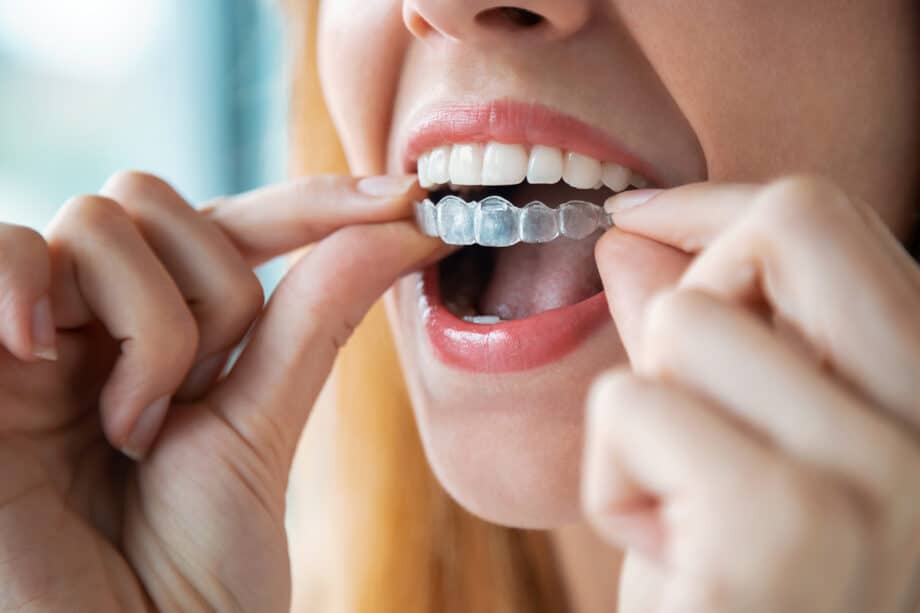
Clear aligners are custom-made, smooth, BPA-free plastic trays. They fit snugly over your teeth like a thin, nearly invisible mouthguard. With no sharp metal pieces, you avoid most soft tissue irritation. You may notice the aligners at first, but the smooth plastic often feels much kinder to your cheeks and tongue. Fit matters for aligner comfort. We trim trays to follow your gum line, minimizing gum irritation. Most adults say they barely notice aligners after a few days.
Pain and Pressure from Tooth Movement
How Braces Apply Pressure
Both braces and aligners work by applying controlled force to move teeth. This pressure stimulates bone remodeling. As your teeth begin to move, you feel soreness or discomfort, often a dull ache or pressure. Most people manage this with over-the-counter pain relievers. The feeling usually fades after a day or two.
With traditional braces, an orthodontist adjusts your archwire in the office every 4 to 8 weeks, tightening it to keep your teeth moving. Discomfort typically peaks in the 24-48 hours after each adjustment.
How Clear Aligners Apply Pressure
With clear aligners, you switch to a new set of trays every one to two weeks. Each new tray moves your teeth by a small, gradual amount. Patients often describe less intense but more frequent pressure than with braces. The gentle force often leads to a more comfortable overall experience.
Common Sensations During Orthodontic Treatment
- Dull pressure or aching during adjustment periods
- Mild soreness that fades after 1-2 days
- Tightness as teeth shift
- Occasional headaches or jaw tension (rare and short-lived)
Impact on Lifestyle: Eating, Drinking, and Hygiene
Lifestyle With Traditional Braces
Comfort also includes how easily treatment fits into your life. Here, we see significant differences. With braces, avoid hard, sticky, or chewy foods that could damage brackets or wires. You forgo treats like popcorn, hard candy, and gum, and must cut hard foods into pieces. These restrictions often frustrate adults. Cleaning teeth gets harder—you now maneuver around brackets and wires with floss threaders or water flossers to reach food debris and plaque.
Lifestyle With Clear Aligners
Clear aligners bring a very different experience. You remove them for all meals, snacks, and drinks beyond cool water, so you face no food restrictions. Adults appreciate this freedom and simplicity. Oral care stays straightforward. You brush and floss as usual, without extra hassle. However, you need discipline—wearing aligners for 20-22 hours daily ensures results. Remember to brush your teeth and clean the aligners after every meal before putting them back in.
Key Lifestyle Benefits of Clear Aligners
- Remove for meals—no foods off limits
- Maintain your normal brushing and flossing habits
- Avoid mouth sores due to the absence of brackets/wires
- Keep aligners nearly invisible at work or social events
- Stay confident and comfortable throughout treatment
A Side-by-Side Look: Braces vs. Invisalign
Appearance and Confidence
Adults often consider the look of their orthodontic appliance. Traditional braces, especially with metal brackets, stand out more. Some adults prefer ceramic braces, but they may still show. Clear aligners offer an almost invisible look, making them appealing for professional and social settings.
Adjustments and Office Visits
Braces require regular in-office visits—every 4 to 8 weeks—for tightening and adjustments. Aligners need fewer quick check-ins, and you typically get several sets at once.
Food and Drink Rules
With braces, you follow special dietary restrictions and face challenges eating certain foods. Clear aligners let you eat and drink whatever you want, as long as you remove your trays for anything other than water.
Oral Hygiene Routine
Braces require specialized cleaning aids and techniques. Clear aligners allow you to brush and floss as usual, reducing the risk of plaque buildup and decay when used correctly.
Choosing the Right Path for Your Smile
Comparing Comfort and Effectiveness
Braces and clear aligners both straighten your teeth effectively. Braces have a long, proven record, but adult patients often prefer clear aligners for comfort and convenience. With aligners, you avoid metal irritation and can eat what you like. Gradual pressure from new trays also feels more comfortable to most.
Why Adults Choose Clear Aligners
Many adults enjoy:
- Nearly invisible appearance
- No diet limitations
- Smooth, gentle feel in the mouth
- Gentle, gradual adjustments with less discomfort
- Simple care and cleaning
Always match your choice to your clinical needs and personal lifestyle. Set up a thorough consultation so we can explain options and guide your decision. We want you to get your ideal smile with confidence and ease.
Frequently Asked Questions About Invisalign
Can you feel Invisalign aligners when you talk?
When you start wearing your Invisalign aligners, you might notice a slight lisp or change in your speech as your tongue gets used to the trays. Most people adjust within a few days. The aligners are very thin, so your speech quickly returns to normal, and you barely notice the aligners when talking.
Does Invisalign hurt more or less than braces?
Most patients find that Invisalign feels more comfortable than traditional braces. Both treatments may cause some initial soreness and pressure as your teeth begin to move. However, Invisalign usually creates less intense discomfort because each new set of aligners applies force more gradually. You also avoid the mouth sores and irritation that metal brackets and wires often cause because Invisalign uses smooth plastic trays.
At Smile Shack, we provide comprehensive dental care to families and individuals throughout our community. We create positive, comfortable experiences and help our patients achieve and maintain lifelong oral health. If you want to explore your options for a straighter smile, please reach out to us to schedule a consultation.