

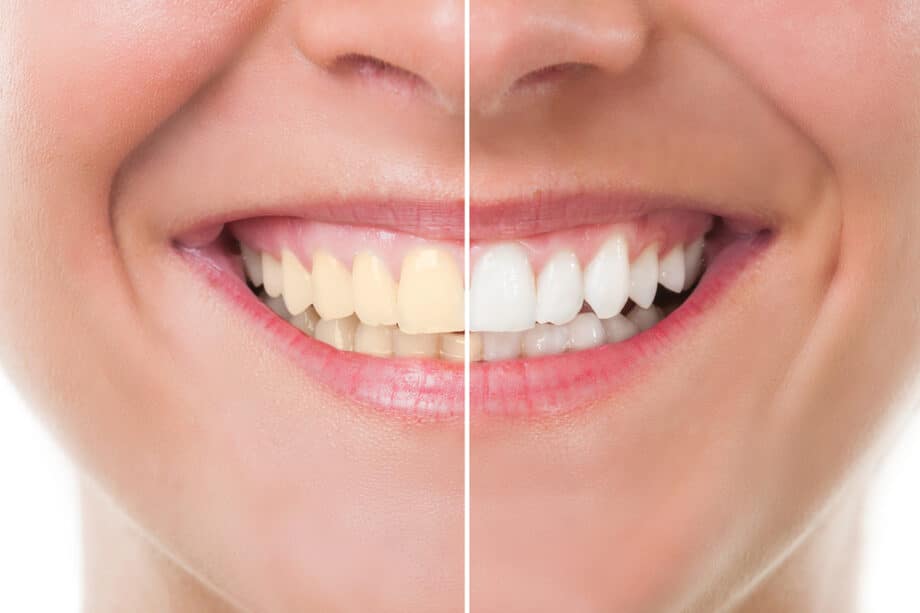
Patients often walk into our office with a simple request: "I want my teeth to be white." While almost everyone wants a brighter smile, people define "white" in very different ways. A smile that dazzles on a celebrity might look artificial for someone else. We make sure the perfect shade enhances your natural beauty instead of overpowering it. To achieve this balance, we focus on understanding how dental shades work and how they interact with your unique facial features.
We walk you through a comprehensive selection process because your smile introduces you to the world. If you pick a shade that’s too bright, it distracts from your other features, while a shade that’s too dull doesn’t give you the confidence boost you deserve. We analyze factors like skin tone, the whites of your eyes, and your lifestyle habits to find a color that looks healthy and authentic. Choosing the right shade means more than simply selecting the brightest option on the spectrum; it means crafting a customized look that fits you perfectly.
Understanding the Science of Tooth Color
Teeth do not naturally show a single, flat color. Instead, they display complex layers that add depth and translucency. To understand how whitening affects your smile, we first look at the tooth’s anatomy. The enamel forms the semi-translucent, naturally white or blue-grey outer layer. Underneath, the dentin usually brings yellow or grey undertones. As we age, enamel thins and reveals more of the dentin’s color. You may notice teeth darkening over time even if you keep up excellent oral hygiene because of these natural changes.
We use tools like the Vita Shade Guide to categorize tooth color accurately. This industry-standard guide divides tooth shades into four basic ranges based on hue. When we understand these categories, we can determine the best starting point for your whitening journey.
The Four Main Shade Categories
- A (Reddish-brownish): This is a very common range that many people fall into naturally.
- B (Reddish-yellowish): This range often represents the warmer tones found in natural smiles.
- C (Greyish): These tones can be harder to whiten and often result from medication use or genetics.
- D (Reddish-grey): This category includes darker grey tones that require specific whitening strategies.
When we identify your baseline shade, we set realistic goals together. If your natural teeth belong to the grey category, bleaching agents often don’t yield a bright white result right away. Instead, we aim for a lighter, cleaner version of your natural tone. We assess your current shade professionally so we can map out a path toward a luminous outcome and protect the structural integrity of your teeth.
Finding Balance for a Natural Look
Many patients fear the "chiclet" look—teeth that appear flat, opaque, and unnaturally white. This effect occurs when the chosen shade lacks translucency or exceeds what looks organic for your face. We avoid this outcome by using specific benchmarks to gauge the ideal brightness for your smile.
The Whites of Your Eyes Rule
We use one of the most reliable metrics by matching the shade of your whitened teeth to the sclera, or whites of your eyes. This benchmark helps us maintain harmony across your facial features. If your teeth become whiter than your eyes, your smile turns into a jarring focal point. By keeping your tooth shade slightly softer than or equal to the whites of your eyes, we create a cohesive look so your smile illuminates your face rather than dominating it.
Considering Skin Tone
Your complexion shapes how white your teeth look. The contrast between your skin and your teeth can create a strong visual illusion, so we manage this effect carefully.
- Fair Skin Tones: People with lighter skin should generally avoid the starkest, frostiest whites. These shades can wash out a pale complexion. We often recommend cool, off-white shades that provide brightness without draining color from the face.
- Darker Skin Tones: High contrast naturally exists here, meaning teeth will appear whiter even with subtle changes. We can often go a bit brighter with darker skin tones, but we still prioritize natural translucency to avoid a "fake" appearance.
- Cool vs. Warm Undertones: If you have cool undertones (blue or pink), a bright white works well. If you have warm undertones (yellow or olive), a creamy white often looks more flattering than a stark, blue-based white.
We also pay attention to how makeup and lighting shape perception. Lipstick shades, for example, dramatically influence how white your teeth appear. Blue-based red lipsticks make teeth look whiter, while orange-based corals bring out yellow tones. We account for all these variables during your consultation.
Selecting the Method to Match Your Goal
Once we identify the target shade, we choose the best method to achieve it. Not all whitening techniques give us the same control or whitening strength. Over-the-counter strips remove surface stains, but they do not significantly change the natural tooth color. If you want a specific, customized shade, you benefit most from professional guidance and precision.
Precision in Professional Treatments
Professional whitening gives us complete control over the concentration of the whitening agent and the length of exposure. We use this control to achieve the exact result we discuss during your consultation. In the realm of cosmetic dentistry, we select high-grade materials that safely penetrate the enamel and break up deep discoloration. We watch the process closely and stop the treatment as soon as you reach your desired shade.
Avoiding Over-Whitening
More does not always mean better. Over-whitening often creates translucency, so the edges of your teeth look blue or grey. You might also experience extreme sensitivity. We recommend a gradual approach. We may start with an in-office session to jumpstart the process, then provide you with custom take-home trays. These trays let you whiten at your own pace. You can check your progress daily and stop treatment the moment you reach that "perfect match" shade we identified.
Lifestyle factors also guide how we choose the right whitening method. If you drink coffee, red wine, or tea regularly, we recommend a robust maintenance plan. We often suggest starting with a slightly brighter shade so your smile looks its best as time goes on. If you have sensitive teeth, we choose gentler, slower-acting agents to help you reach your goal comfortably.
Achieving Your Ideal Smile
Choosing the right shade for teeth whitening blends art and science. We consider your anatomy, skin tone, and lifestyle to craft a smile that truly belongs to you. A successful whitening treatment allows people to notice how great you look, not just how white your teeth appear. By respecting natural boundaries and applying professional techniques, we make sure your new smile radiates confidence and health. If you want to explore what’s possible for your own smile, we invite you to discuss your goals with us.
Frequently Asked Questions About Cosmetic Dentistry
Can I whiten my crowns, veneers, or fillings?
Porcelain and composite resin restorative materials cannot respond to whitening agents. The bleaching gel works only on natural tooth structure. If you have visible crowns or veneers that currently match your tooth color, whitening your natural teeth creates a mismatch. We recommend whitening your natural teeth first and then replacing old restorations to match the new, brighter shade.
How long will my whitening results last?
Your diet and oral hygiene habits play a major role in how long whitening results last. Most patients enjoy professional whitening results for six months to two years. If you smoke or frequently drink dark beverages, you may notice your shade fades faster. To keep your smile bright, use a straw with staining drinks and touch up with kits as needed.
At Smile Shack, we specialize in creating confident, radiant smiles for patients of all ages. Our experienced team provides personalized care to help you achieve and maintain optimal oral health. If you have questions or are ready to transform your smile, reach out to us.