

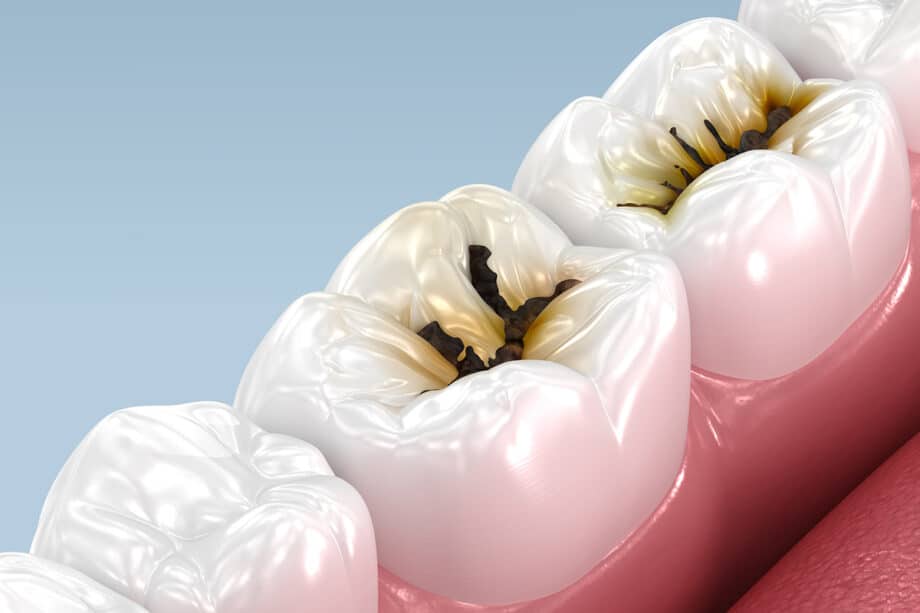
At first, you might notice a tiny twinge of sensitivity when you drink something cold. Maybe you spot a small, dark mark on your tooth and choose to overlook it. This usually signals the beginning of a cavity—a small area of tooth decay that can appear harmless. Many people wait and see what happens, hoping the problem will disappear on its own. However, a cavity will not resolve itself. Unlike a common cold, it continues to get worse. Untreated tooth decay always progresses, leading to increasingly serious and painful dental problems.
We know that putting off a dental visit feels tempting. Life often gets busy, and a little toothache might not seem urgent. Still, understanding how an untreated cavity progresses remains critical. What begins as a minor inconvenience quickly develops into a significant health problem, affecting both your tooth and your overall well-being. Decay keeps breaking down your tooth layer by layer. Ignoring a cavity never solves the problem and almost always results in more complex, invasive, and costly treatments down the road.
The Early Stages: From Enamel to Dentin
A cavity starts on the outermost layer of your tooth: the enamel. Enamel, the hardest substance in the human body, shields the softer tissues inside your tooth. When you eat sugary or starchy foods and drinks, bacteria in your mouth feed on these carbohydrates and produce acids. These acids attack the enamel and strip away essential minerals. The process, which we call demineralization, creates weak spots and forms a hole or cavity if you do not act. In this initial stage, you likely feel no pain because the decay stays on the surface and does not reach any nerves. Taking action now gives you the easiest and best chance to fix the problem. We can stop the decay with a simple filling and restore your tooth's function and integrity.
If you ignore the initial decay, the bacteria attack deeper and break through the enamel, reaching the next layer called dentin. Dentin feels softer and has more pores than enamel and contains microscopic tubules that connect directly to the tooth’s nerve center, the pulp. When decay hits the dentin, the process speeds up significantly. You will likely start to experience noticeable symptoms.
- Increased Sensitivity: The dentin tubules let heat, cold, and sugary substances reach the nerve, causing sharp but brief pains.
- Noticeable Discoloration: The decayed area stands out more, appearing as a brown or black spot on your tooth.
- Mild to Moderate Aches: You may feel a dull, persistent ache in the affected tooth.
At this point, you can still handle the problem. A standard filling or a larger restoration like an inlay or onlay usually fixes the tooth. However, your chance for a simple treatment narrows quickly.
The Deeper Problem: Pulp Infection and Pain
When you let a cavity linger in the dentin, bacteria march straight toward the center of your tooth. The pulp sits here—a network of soft tissue, blood vessels, and the tooth's nerve. As bacteria invade this sterile zone, they infect and inflame the pulp, causing pulpitis. At this stage, dental problems escalate from a minor annoyance to significant, often debilitating pain. Inflammation inside the confined tooth structure builds pressure on the nerve, triggering a severe and persistent toothache that disrupts sleep and daily routines.
Pain from infected pulp feels different from the sensitivity caused by decay in the dentin. You experience spontaneous, throbbing, and long-lasting pain. When you bite down, you might feel sharp discomfort that can spread to your jaw, ear, or head. You cannot fix the problem with a simple filling at this point. To save the tooth, we must remove the infected pulp tissue. We call this procedure a root canal. During a root canal, a dentist cleans out the infected pulp, disinfects the inner chambers of your tooth, and then fills and seals it. After the procedure, we typically protect the tooth with a crown to restore its strength and appearance. Ignoring problems at this stage leads to worse complications.
The Final Stages: Abscess and Systemic Health Risks
If you ignore the pain and avoid treatment after the pulp becomes infected, your situation turns critical. The infection spreads from the pulp chamber down through the roots of your tooth and into the surrounding jawbone. You then develop a pocket of pus known as a periapical abscess. An abscess creates intense, throbbing pain, swelling in your gums and face, a foul taste in your mouth, and even fever. If the abscess finds a way to drain, your pain might briefly lessen, but the infection lingers and continues to damage your health.
An untreated dental abscess creates a serious medical emergency. The infection quickly spreads beyond your tooth and moves into other parts of your body. Bacteria from the abscess can enter your bloodstream and threaten your heart, brain, or lungs, which causes life-threatening conditions. In severe cases, swelling can block your airway and make breathing difficult. At this stage, you must focus on saving your overall health, not just your tooth. Treating an abscess requires the dentist to drain the pus, perform a root canal, or, if necessary, extract the tooth. You will also need antibiotics to help your body fight the infection.
Don't Wait for the Pain
You can easily avoid the path from a tiny spot on your enamel to a dangerous, full-body infection. Early detection and prompt action make all the difference. Regular dental check-ups let us catch cavities at their earliest and most treatable stages. Ignoring a cavity only ensures more pain, complicated procedures, and greater expense in the future. When you address a small cavity right away with a filling, you protect both your tooth and your overall health. Delaying care until severe pain strikes leaves you with far more serious dental problems. Listen to your body and treat minor tooth symptoms as important health warnings—you deserve a healthy, pain-free smile.
Frequently Asked Questions About Restorative Dentistry
What is the difference between a filling and a crown?
A filling repairs minor to moderate tooth decay or damage. We remove the decayed part of the tooth and fill the area with a composite or amalgam material to restore its shape and function. A crown acts as a tooth-shaped cap that covers the entire visible portion of a tooth. We use crowns when a tooth has extensive decay, has cracked, or has gone through a root canal. A crown gives complete protection and restores strength to a tooth that cannot hold a filling alone.
Is a root canal a painful procedure?
Many people mistakenly believe root canals hurt. Modern techniques and anesthetics make the procedure as comfortable as getting a routine filling. We perform root canals to end pain from a severe pulp infection, not cause it. Any discomfort after treatment usually feels mild and responds well to over-the-counter pain relievers. Ignoring the infection leads to real pain, not the procedure itself.
At Smile Shack, we provide comprehensive dental care for families in our community. We offer preventative check-ups and advanced restorative procedures, helping our patients achieve and maintain a healthy, beautiful smile. If you have any concerns about your dental health, please reach out to us.