

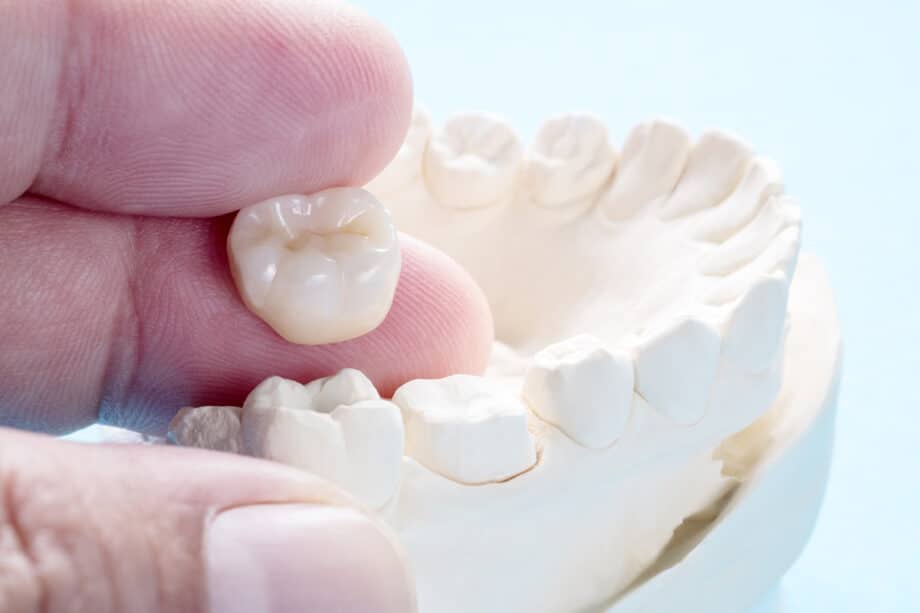
Hearing that you have a cavity often brings up immediate questions about the treatment process. We know that facing dental work can feel overwhelming, especially when you do not understand the differences between the available procedures. When patients visit our office with tooth decay, a chip, or a crack, we evaluate the tooth carefully to determine the most effective approach. Our team focuses on preserving your natural tooth structure while ensuring your smile remains strong and healthy for years to come.
To restore your oral health, we typically recommend one of two primary treatments: a dental filling or a dental crown. A simple filling works perfectly for minor issues, but severe damage requires the comprehensive protection of a crown. As experts in restorative dentistry, we weigh several vital factors before making a final recommendation. We consider the size of the cavity, the location of the tooth, and your overall dental history to develop a personalized treatment plan.
Evaluating the Extent of Tooth Decay and Structural Damage
The cavity's size is the most critical factor we consider when choosing between a filling and a crown. We use standard fillings when bacteria have only breached a small portion of the enamel. During a filling procedure, we remove the decayed material and fill the tiny hole with composite resin or amalgam. Fillings work exceptionally well because they require us to remove very little of the natural tooth. The remaining healthy enamel provides more than enough strength to support the filling material and handle the daily pressures of chewing.
However, a filling falls short when decay destroys more than half of the visible portion of the tooth. Placing a large filling in a severely compromised tooth acts like putting a small bandage on a massive wound. The tooth loses its structural integrity, making it highly susceptible to fracturing under the heavy forces of biting. In these cases, we rely on dental crowns. A crown completely encases the entire visible portion of the tooth, acting like a sturdy protective helmet. We design these custom caps to hold the remaining tooth structure together, preventing catastrophic breaks that could lead to tooth loss.
Considering Root Canals, Cracks, and Tooth Location
Beyond simple cavities, we regularly treat teeth that have undergone root canal therapy or suffered physical trauma. Whenever we perform a root canal, we remove the infected nerve and blood supply from inside the tooth. Without a live blood supply, the treated tooth becomes brittle and fragile over time. We almost always place a crown on a tooth after a root canal, particularly on back molars, to absorb the immense pressure of chewing. Trying to seal a root-canal-treated molar with a basic filling usually leads to the tooth cracking down the middle within a few years.
We also look closely at the physical location of the damaged tooth and the presence of any hairline fractures. Molars and premolars endure the vast majority of your bite force, meaning they require robust, heavy-duty restorations.
- Minor cracks in front teeth: We can sometimes repair small chips on your incisors with dental bonding or a simple filling.
- Deep fractures in back teeth: We must cover deep cracks in molars with a crown to stop the fracture from spreading into the roots.
- Old, failing fillings: We often replace massive, aging metal fillings with a crown because the surrounding enamel has weakened too much to support a new filling.
Weighing Longevity, Materials, and Aesthetic Goals
We always factor in your long-term oral health and cosmetic preferences when making decisions. Dental fillings provide an excellent, cost-effective fix for minor decay, but they generally last between five and ten years before needing replacement. Composite resin fillings blend beautifully with your natural enamel, though they can stain or wear down over time. When we need a solution that offers superior durability and longevity, we turn to dental crowns. Modern crowns crafted from porcelain, zirconia, or ceramic closely mimic the light-reflecting properties of natural teeth while providing incredible strength.
With proper care, a high-quality crown typically lasts 15 to 20 years, making it a stellar long-term investment for your smile. We understand that aesthetics matter just as much as function. If a front tooth sustains damage, we meticulously color-match a porcelain crown to ensure it blends seamlessly with your neighboring teeth. Ultimately, we want you to leave our office with a restoration that feels comfortable, functions flawlessly, and gives you the confidence to smile without hesitation. We evaluate your unique situation, discuss the pros and cons of the materials, and guide you toward the restoration that best fits your lifestyle.
Finding the Right Fix for Your Smile
Protecting your oral health requires precise, customized care tailored to your specific needs. We never use a one-size-fits-all approach because every tooth tells a different story. Whether you need a quick composite filling to stop a minor cavity or a durable porcelain crown to save a severely damaged molar, our goal remains the same. We strive to restore your bite, eliminate your pain, and preserve your natural smile for as long as possible. By evaluating the extent of decay, the condition of your tooth structure, and your long-term needs, we ensure you receive the exact treatment necessary for optimal dental wellness.
Frequently Asked Questions About Restorative Dentistry
How do I know if my tooth needs a crown or just a filling?
We must examine your tooth and take X-rays to make a definitive diagnosis. Generally, we use fillings for small cavities that affect a minor portion of the tooth. We recommend crowns when a tooth has extensive decay, a large existing filling that has failed, a deep crack, or has recently undergone root canal therapy.
Does getting a dental crown hurt more than getting a filling?
We prioritize your comfort during both procedures by using local anesthesia to numb the affected area completely. You will not feel any sharp pain during the placement of a filling or the preparation for a crown. Because preparing a tooth for a crown takes slightly longer and requires more shaping of the enamel, you might experience minor soreness in your gums for a day or two afterward.
How long does a dental filling typically last?
The lifespan of a dental filling depends heavily on the material used, the location of the tooth, and your oral hygiene habits. We find that composite resin fillings usually last between five and ten years. Amalgam (silver) fillings can last up to fifteen years. We encourage you to brush twice daily, floss regularly, and visit us for routine cleanings to maximize the lifespan of your fillings.
Can a tooth with a crown still get a cavity?
The crown material itself cannot decay, but the natural tooth structure underneath the crown remains vulnerable to bacteria. Plaque can accumulate right at the gumline where the crown meets your natural tooth. If you fail to brush and floss effectively, a new cavity can form under the edge of the crown, which may require us to remove the crown to treat the decay.
What is the process for getting a dental crown?
We typically complete a traditional dental crown procedure over two separate appointments. During your first visit, we numb the tooth, remove any decay, and shape the enamel to make room for the crown. We then take an impression of your teeth and place a temporary crown to protect the area. A specialized dental laboratory uses the impression to craft your permanent crown. A couple of weeks later, you return to our office, and we cement the custom crown securely into place.
We operate Smile Shack to provide our community with compassionate, high-quality dental care in a welcoming and comfortable environment. We serve patients of all ages, offering everything from routine cleanings to complex restorative treatments tailored to your unique smile. If you have questions about your dental health or need to schedule an appointment, please reach out to us today.